Birds birds birds. Lotta birds this month, plus I finally got a chance to try some more astrophotography.
Gulls
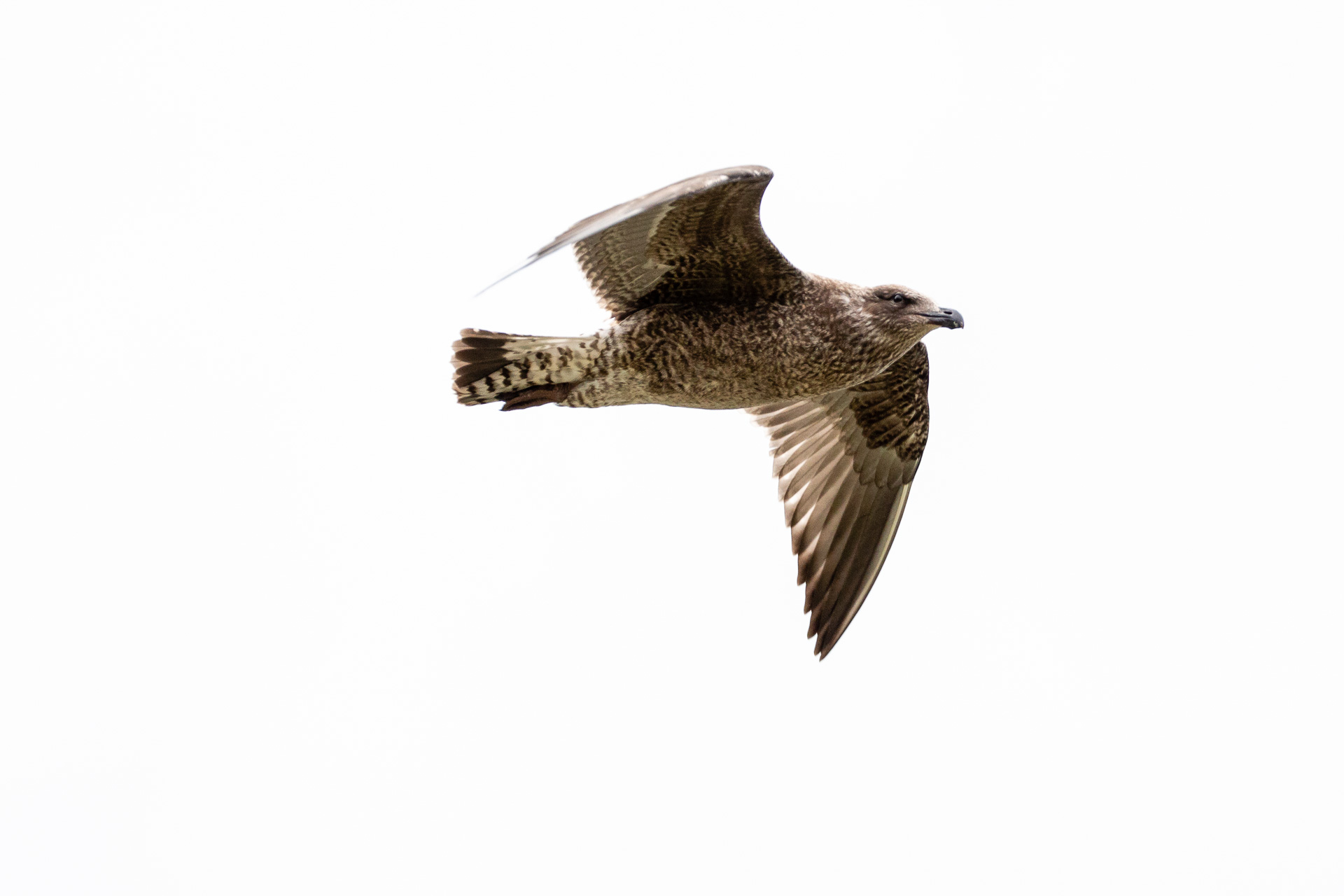
These photos were the result of my father and I heading out to the lake. We are both big fans of the work of a friend of ours, Tony. Since the day was overcast, we decided to try and emulate his style - pushing the exposure of the background to make it white, while exposing the bird correctly.
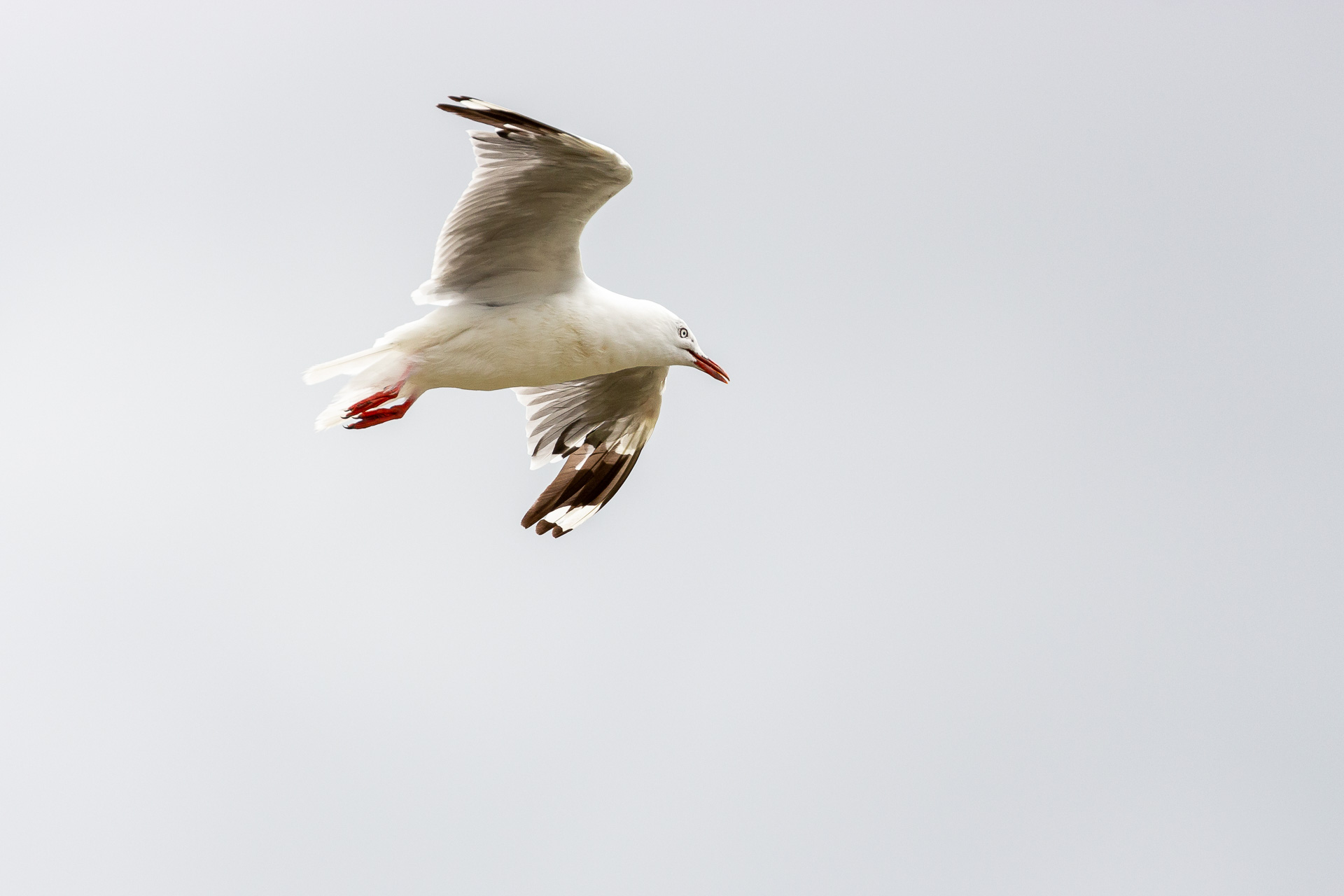
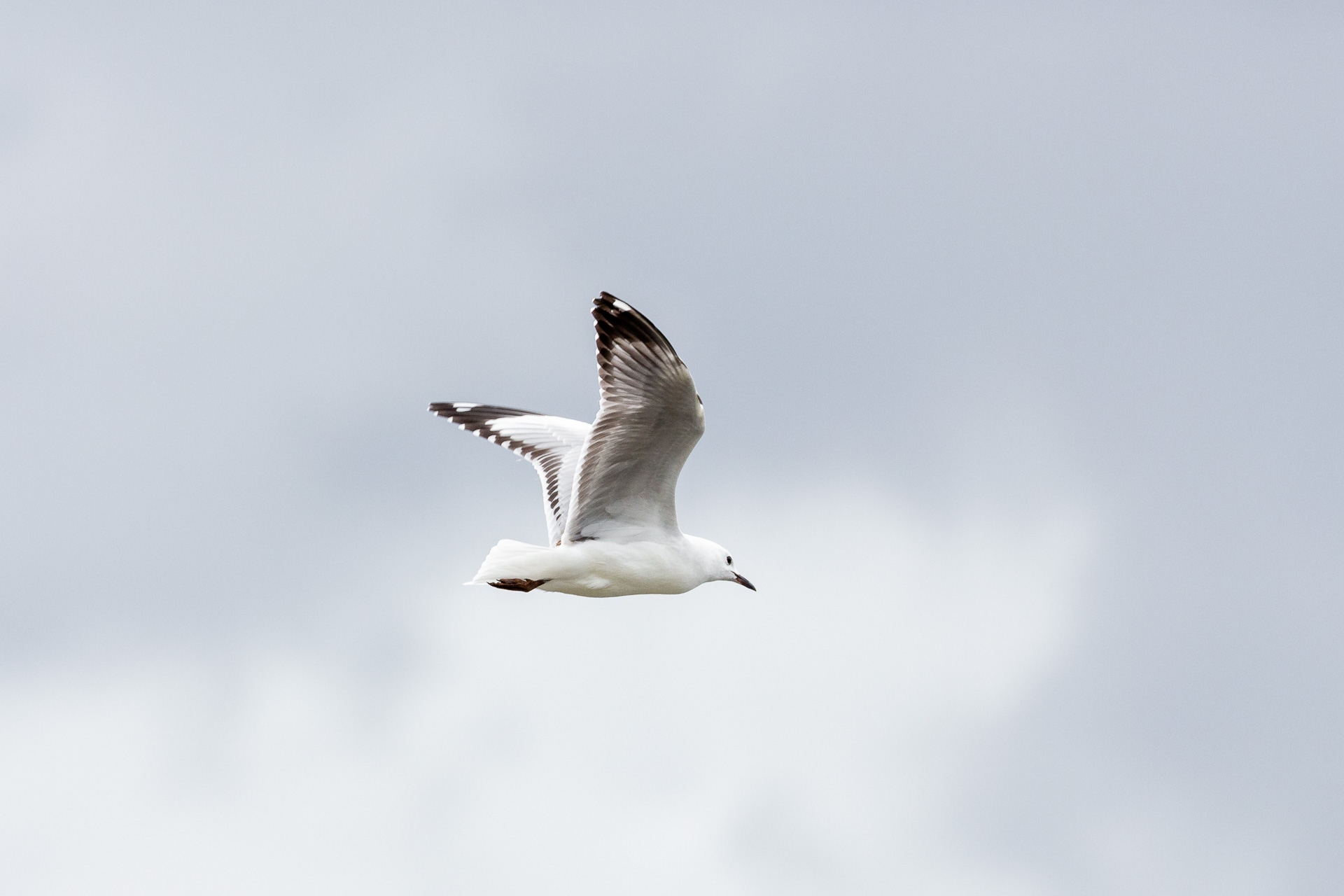
As you can see, the first two missed the mark. White birds on a white background are tricky to expose properly while keeping enough contrast to see the bird. I think the first one could probably be corrected with a little more attention in photoshop - a layer mask for the bird, then brighening the background. Maybe a project for a rainy day.
The third one nailed what we were looking for in terms of exposure. The bird is exposed correctly with the background being pushed into white. Because the bird is dark, the contrast is nice also. The pose is a bit stilted however. We really just needed to take more shots and stay out for longer, but the weather was pretty awful.
These show a good start to perfecting emulating this style though.
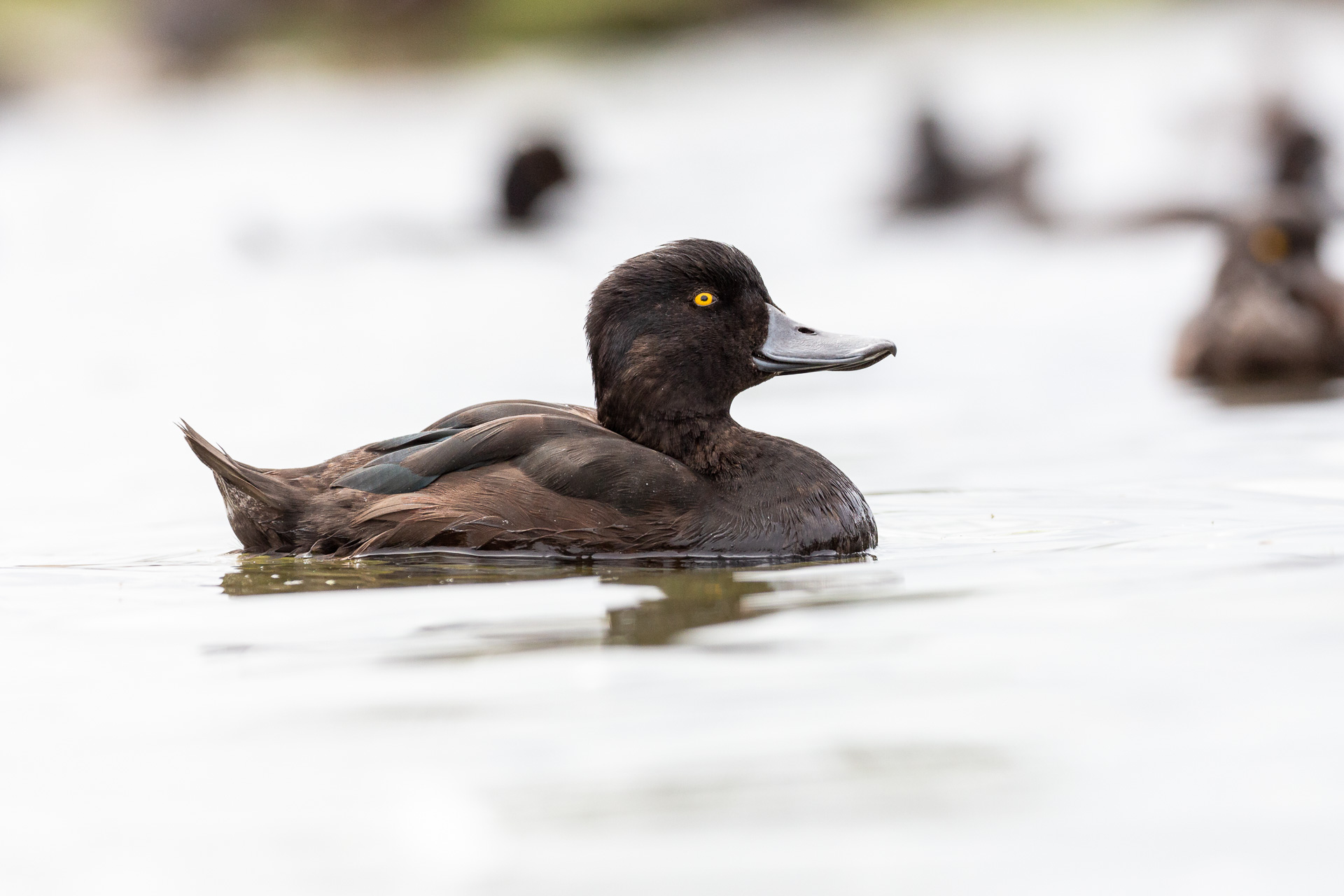
Another example of the white background style. This one definitely needs some photoshop to finish it up to remove the distracting background elements. I’m not sure why they look skewed as well
White whales
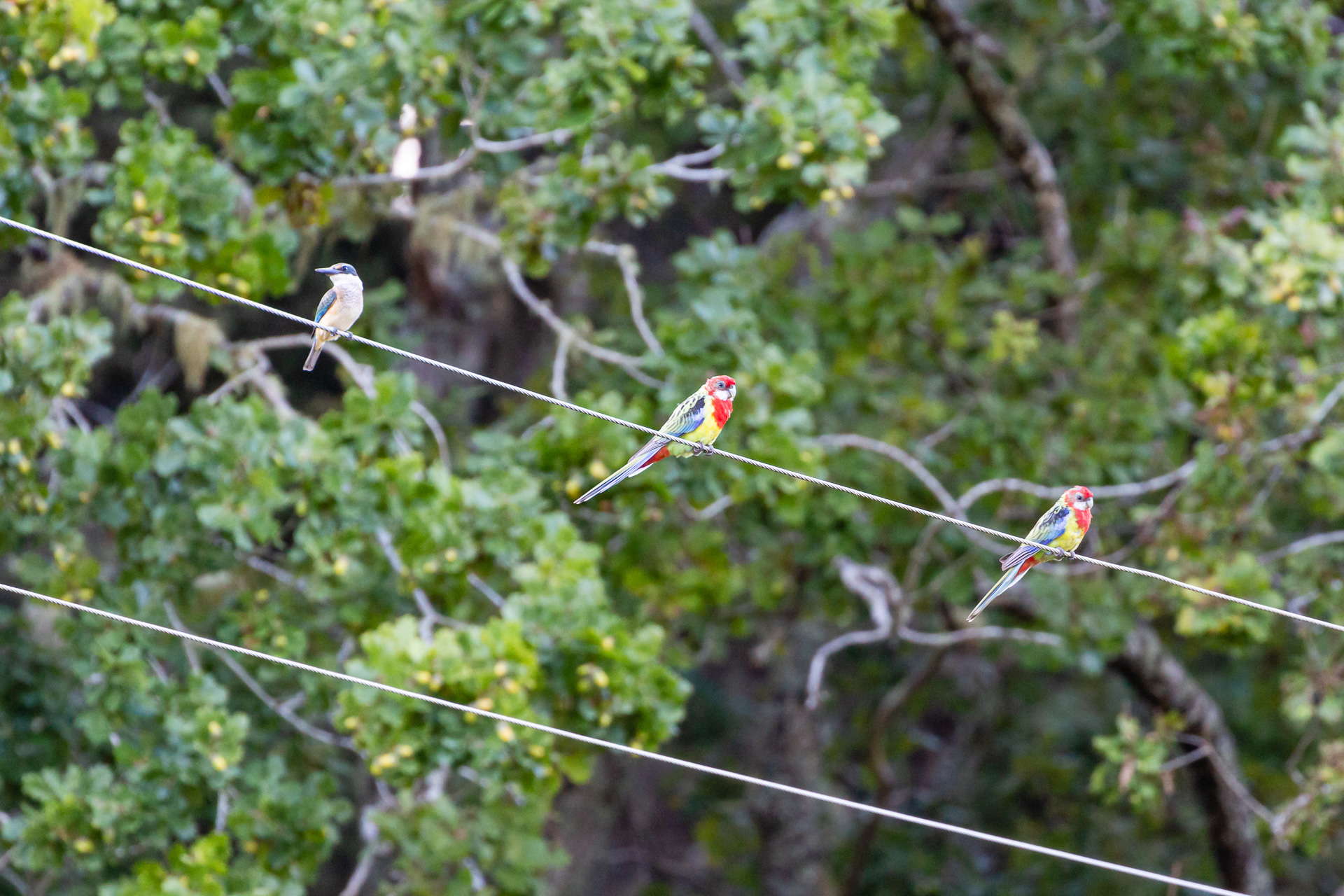
I’ve been hunting for a decent photo for these guys for months. During the ‘21 lockdown I would go out looking for them most evenings, and maybe if I was lucky I would see them in a distant tree, mocking me from the distance. I really tried hard to get a decent shot, but I was limited by my 135mm lens. While there’s nothing wrong with the lens itself, it just didn’t have the reach to get these tiny little fellas.
Of course, now I have a nice, big, chunky 100-400mm I can finally get them. On this day, the stars aligned and both the Kingfisher and Rosellas were sitting together in the same place.
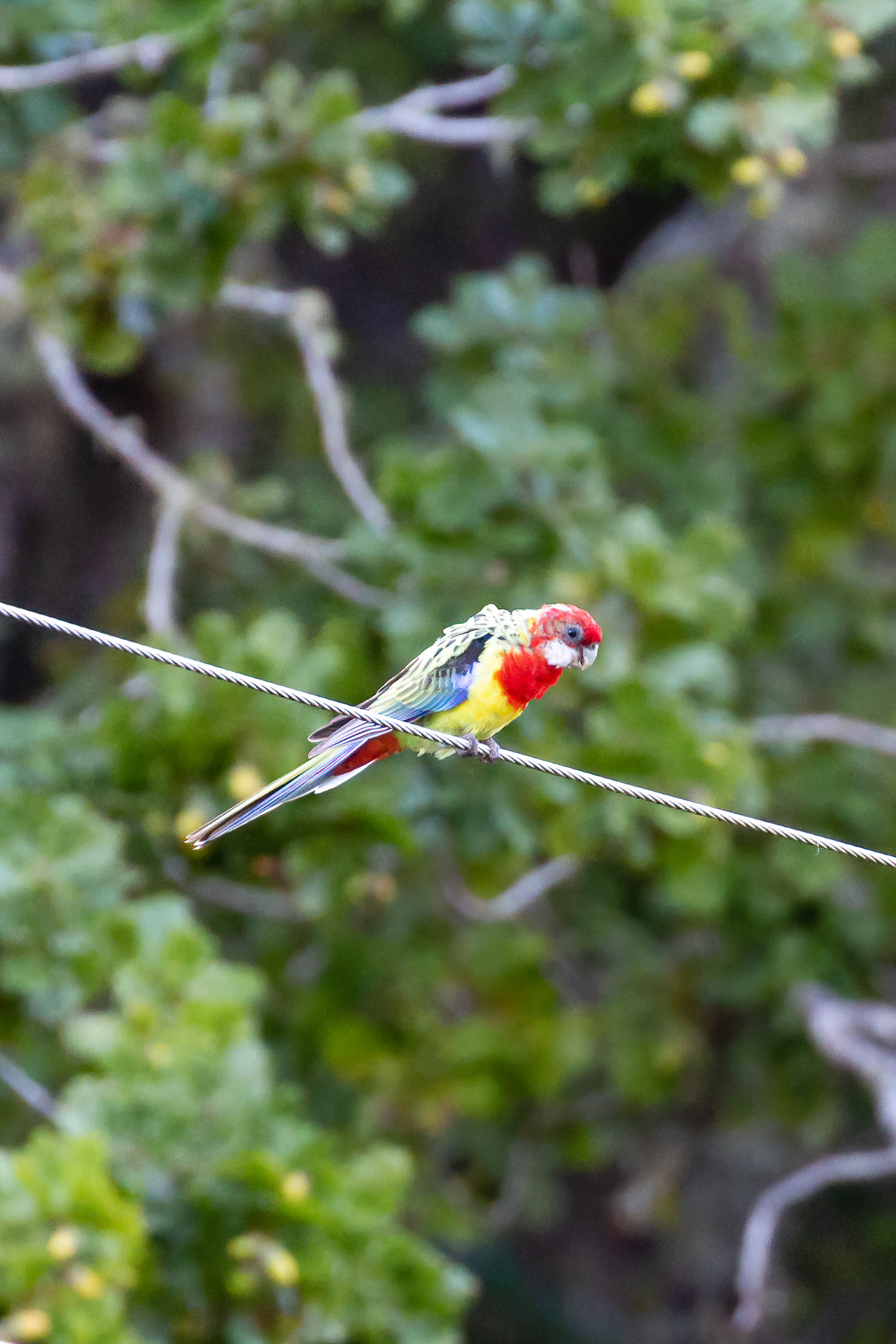
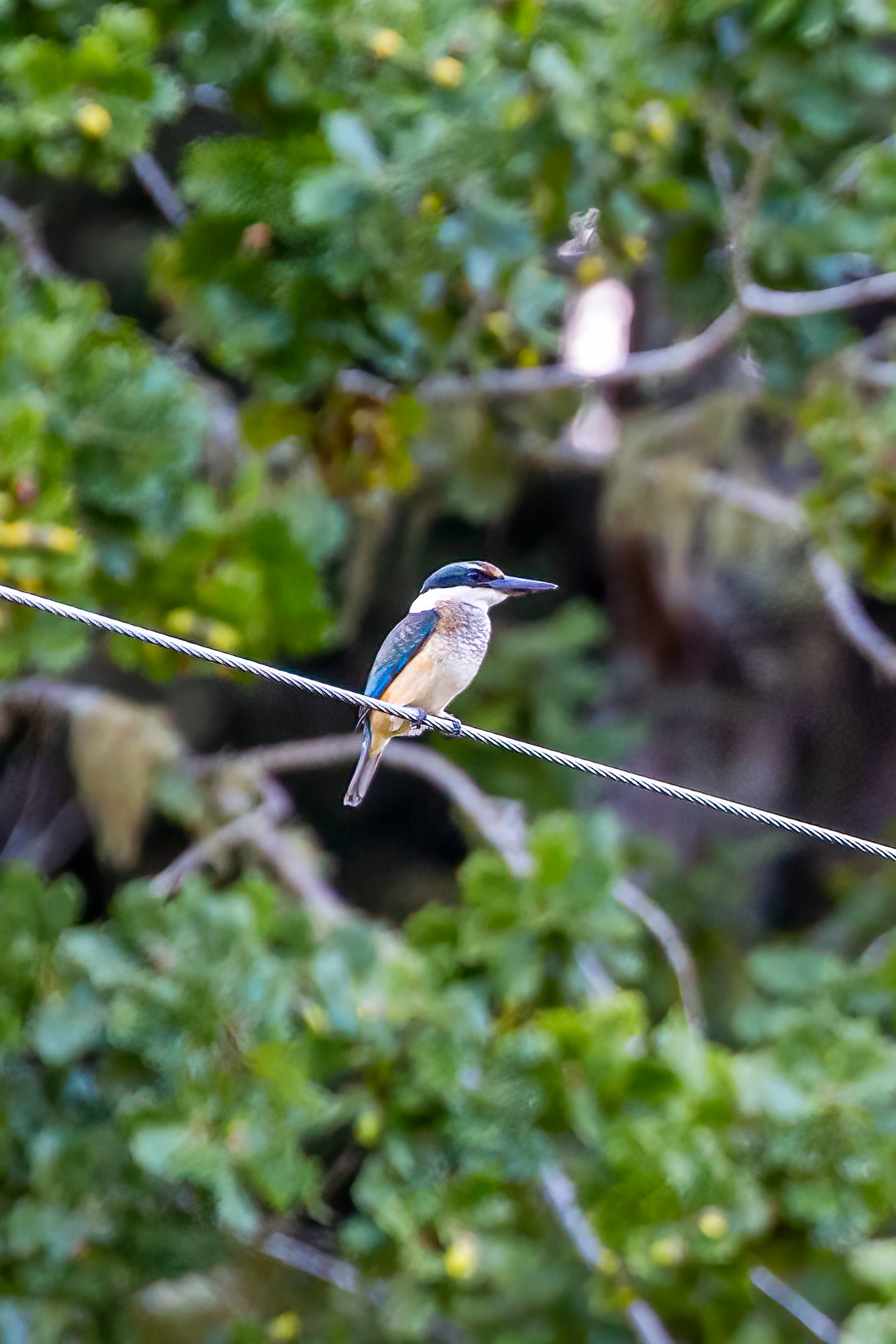
Fairly happy with these, though I wish I had been able to sneak a little closer and the light had been better. Even at ISO 10000, my camera starts struggling with the noise a little bit. It’s workable, but not ideal. I’m gonna keep my eyes open for another oppourtunity to bag a great shot of these guys
Orion
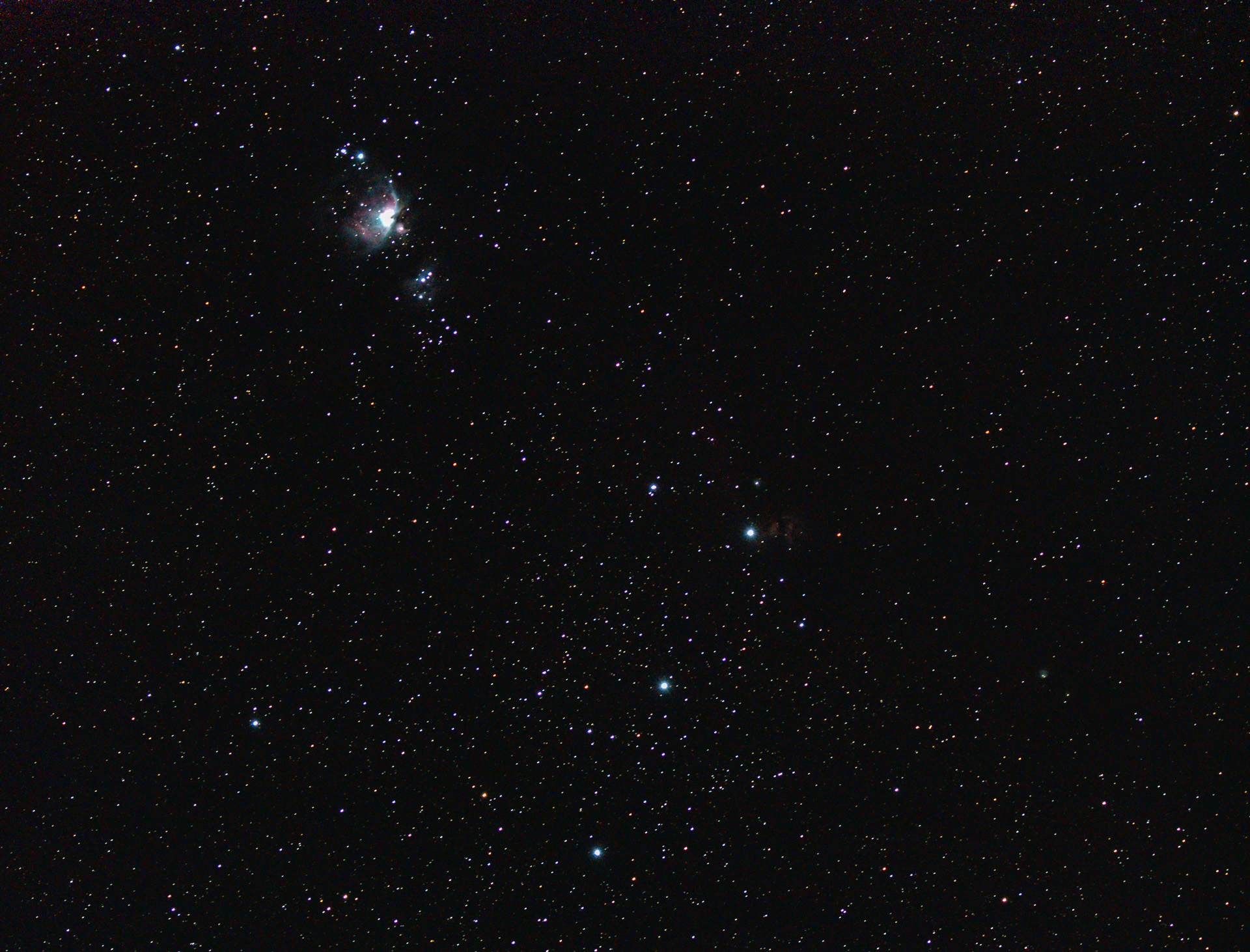
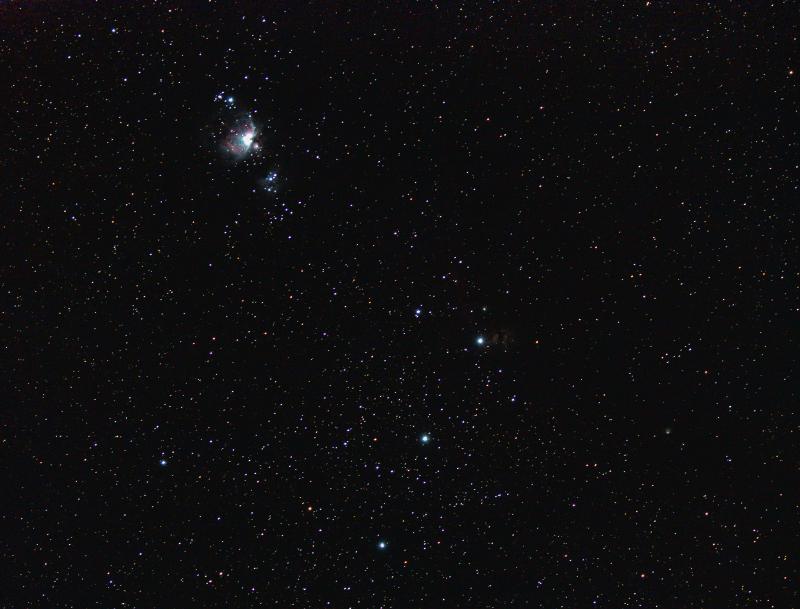
I’ve been keen to try some more astrophotography for a while, and so while the weather was good I gave it another shot. On this night, I tried to use 3 different lens to get a feel for the characteristics of each. Since these were shot without a tracking mount, the different focal lengths meant that I could only keep the shutter open for different amounts of time before the stars start to blur in the image
| Focal Length + aperture | Shutter speed |
|---|---|
| 14mm f/2.8 | ~15s |
| 50mm f/1.8 | ~3s |
| 100mm f/4.5 | ~2s |
As you can see, the longer the focal length, the shorter the exposure time. The above photo was taken at 50mm, as I felt it turned out the best. 14mm didn’t give enough detail of the nebula, while 100mm just didn’t have enough exposure to see anything.
Of course, a three second exposure isn’t going to give you enough light to see anything clearly, even if you ramped up the ISO. To get around this, I stacked the image. I took 100 three second exposures, and combined them (with some extra calibration frames) to get the final image. This gave me a final exposure time of about 5m in total and honestly, even this isn’t really enough. There are more details to the nebula that you can start to see with more exposure time. Next time i’d like to try for an hours worth of exposure and see what it looks like. I’d also like to try more with the 100+mm range, although with the much smaller aperture it will probably take even longer to get enough light.
Closing thoughts
I finally got a decent photo of the flightly birds, and I made my first acceptable astro frame. Onwards and upwards!